

A Modern Approach to Orthodontic Treatment
Orthodontic care has changed significantly from the days when treatment automatically meant visible metal brackets and wires. Today, digital planning and removable clear aligners can make treatment more discreet and easier to fit into daily routines.
At our Urbandale dental office, our goal is to understand what you want to change and how your teeth, bite, and jaw function together. We consider the type of movement needed, your age, your oral health, and other factors that may affect long-term stability.
Clear Aligners for Teens and Adults
Clear aligners use a planned series of transparent, removable trays to gradually move teeth. They may be an option for teens and adults who want to improve alignment without the use of fixed orthodontic appliances.
Depending on the case, clear aligners may help with:
- Selected crowding
- Spaces between teeth
- Teeth that shifted after previous orthodontic treatment
- Selected bite and alignment concerns
- Cosmetic smile improvements
Because the trays are removable, you can take them out for meals and for brushing and flossing. Treatment still requires consistent wear, so we will explain how to use your aligners based on your individual plan.
Digital Planning for Clear Aligner Treatment
Digital scanning allows us to capture detailed images of your teeth without relying on traditional impression material. We use that information to evaluate alignment and help plan the movements your teeth may need.
If you want to see how this can look in a real case, you can read a clear aligner patient story from Lawson Dentistry.
Looking Beyond Crooked Teeth
Tooth alignment is only one part of orthodontic planning. We may also consider bite function, jaw development, oral habits, tongue posture, and breathing patterns when they are relevant to the patient before us.
That broader view is especially important when a developing bite, muscle pattern, or airway concern may affect how the teeth and jaws function together. It does not mean every orthodontic patient has an airway or TMJ problem. It means we consider more than just straightness before recommending care.
Early Orthodontic Care for Growing Children
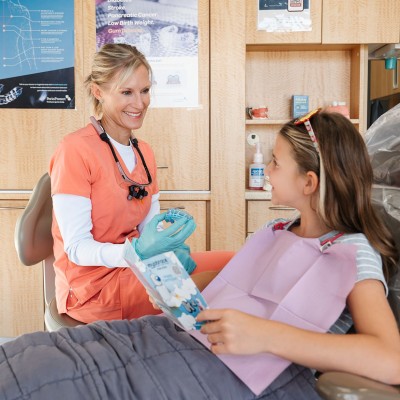 Children’s orthodontic needs can differ from those of adults because their teeth, jaws, and facial structures are still developing. Early evaluation can help identify crowding, bite concerns, mouth breathing, tongue posture issues, or growth patterns that may deserve closer monitoring.
When early guidance is appropriate, the goal is to support healthy development rather than simply move teeth as quickly as possible. Parents can find more detail on our page about Children’s Dental Care Urbandale, which covers growth-focused care in greater depth.
Oral Habits, Muscle Function, and Orthodontic Stability
The tongue, lips, cheeks, and other oral muscles help shape everyday functions such as swallowing and breathing. Patterns such as mouth breathing, tongue thrusting, or poor tongue posture may influence dental development in some patients.
When these factors matter, myofunctional therapy may be considered as part of a broader care plan. This therapy focuses on oral muscle patterns and function rather than simply moving the teeth.
The Relationship Between Bite Function, TMJ Health, and Airway Health
The teeth, jaw joints, muscles, and airway are related parts of the same oral and facial system. For some patients, bite relationships may be relevant to jaw comfort or broader functional concerns.
Orthodontic treatment is not presented as a cure for TMJ disorders or sleep apnea. If jaw pain, headaches, clicking, or other TMJ symptoms are a major concern, our TMJ treatment page explains that evaluation in more detail.
Which Orthodontic Option Is Right for You?
The right orthodontic plan depends on more than age or appearance. Dr. Lawson considers your alignment, bite, oral health, growth stage, cosmetic goals, habits, and airway-related factors when they are relevant.
For some teens and adults, clear aligners may be an appropriate choice. Growing children may need a different approach. The purpose of the consultation is to determine which path fits your needs rather than asking you to choose a treatment before you have been evaluated.
Orthodontic Care in Urbandale and the Des Moines Area
You do not need to know which orthodontic option is right before you visit us. We can evaluate your smile, bite, and goals and explain whether clear aligners, growth-focused care, or another approved approach makes sense for you or your child.
To get started with orthodontics in Urbandale, request an appointment below or call us at (515) 278-4366.